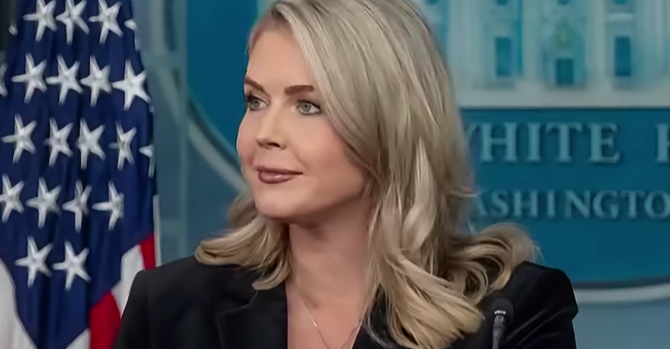
The room went cold when Karoline Leavitt pushed back. Reporters expected a defense; instead, they got a challenge to the very system that decides who gets close to power. Wire services, legacy outlets, the old guard — all suddenly on notice. Is this transparency, or a calculated reshaping of history itself? The battle over who docu… Continues…
Karoline Leavitt’s defense of the Trump White House wasn’t just about spin; it was about control over the lens through which Americans see the presidency. She framed the shake‑up of the 13‑person press pool as a blow against entitlement, insisting that no single outlet has a “birthright” to the front row of history. Digital natives, independents, and small outlets, she argued, deserve a shot at the Oval Office, the South Lawn, even Air Force One.
But beneath that language of “diversity” sits a deeper anxiety: who gets to define reality in real time. Mike Allen’s question about the Butler, Pennsylvania assassination‑attempt photo cut to the core fear of many journalists — that in chasing broader access, the country might lose the trained eyes that have recorded its most fragile moments. Leavitt countered with numbers, pointing to Trump’s far greater volume of interviews versus Joe Biden’s minimalist approach. To her, more cameras and more questions equal more democracy. To critics, it’s a risky experiment with the historical record, one that could leave future generations squinting through a fractured, partisan archive, unsure which images to trust.