The hammer finally dropped on AT&T and Verizon. In a case that could have gutted federal watchdogs, the Supreme Court instead handed regulators a powerful new weapon. Billions in future fines, the fate of your location data, and the limits of corporate power all turned on a single constitutional argument that almost no one un… Continues…
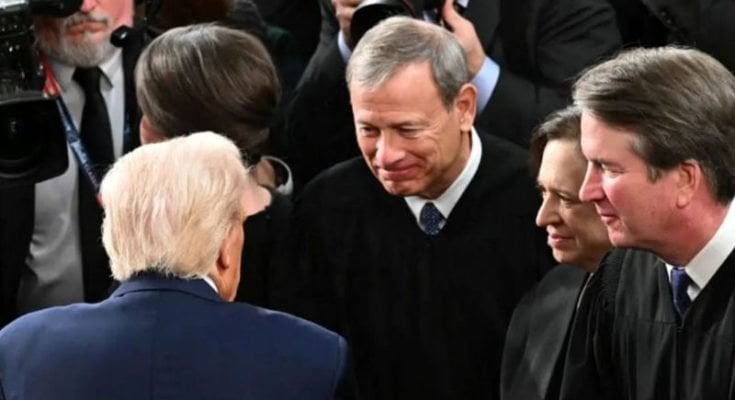
AT&T and Verizon had hoped to turn a $104 million fight over real-time location data into a constitutional wrecking ball against federal regulators. Instead, an 8–1 Supreme Court majority did the opposite, preserving the FCC’s authority to punish telecoms that secretly sell or mishandle customers’ movements in real time. Chief Justice John Roberts made clear that the carriers were never stripped of their Seventh Amendment rights; they could have refused to pay and forced the government into court, where a jury would ultimately decide the facts.
The ruling doesn’t just resolve a split between appeals courts. It sends a broader message: companies that traffic in intimate data cannot hide behind procedural arguments to escape accountability. Privacy advocates celebrated, warning that bounty hunters and even rogue sheriffs had already abused this data. For now, at least, the nation’s top court has sided with the idea that someone must be able to say no—and make it stick.