Karmelo Anthony Convicted Following Jury Verdict — Overview of the Court’s Decision and Sentencing Outcome
A Texas courtroom reached a major turning point in a closely followed case involving a deadly confrontation at a high school track meet. After several days of testimony, legal arguments, and witness statements, jurors were asked to decide whether prosecutors had proven the criminal charge against Karmelo Anthony beyond a reasonable doubt.
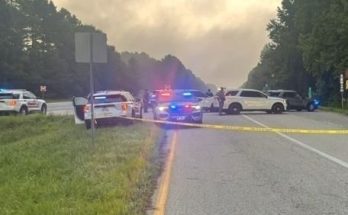
The case focused on an incident that took place on April 2, 2025, during a track meet in Frisco, Texas. Prosecutors argued that Anthony’s actions were not legally justified and that he was responsible for the death of Austin Metcalf. Defense attorneys presented a different account, maintaining that Anthony believed he was acting in self-defense during a fast-moving confrontation.
Before beginning deliberations, jurors received instructions on the law and were told to consider the evidence, testimony, and the self-defense claim raised during the trial. Both sides used closing arguments to emphasize their interpretation of what happened. The defense focused on Anthony’s state of mind during the encounter, arguing that he reacted quickly because he believed he faced an immediate threat. Prosecutors argued that the evidence did not support that claim and urged jurors to consider the actions taken during the incident.
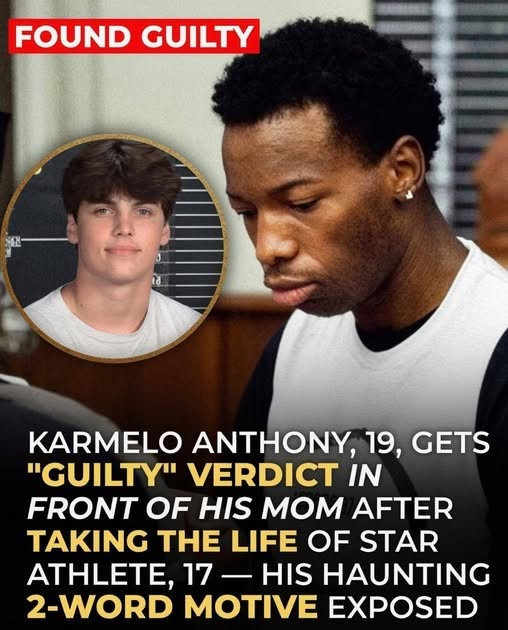
After deliberating for less than three hours, the jury returned a guilty verdict on the murder charge. The decision marked a significant conclusion to the trial phase of the case and brought an emotional response from those connected to the proceedings.
The case then moved into the sentencing phase. Family members and others addressed the court, sharing statements about the impact of the incident and the loss that followed. The defense argued that the circumstances should be considered under the legal concept of “sudden passion,” which could have affected the possible sentencing range. Prosecutors opposed that argument.
After further deliberation, jurors rejected the sudden passion claim and sentenced Anthony to 35 years in state prison. With the verdict and sentence now delivered, the courtroom proceedings have concluded, though the case continues to leave a lasting impact on the families involved and the wider community.