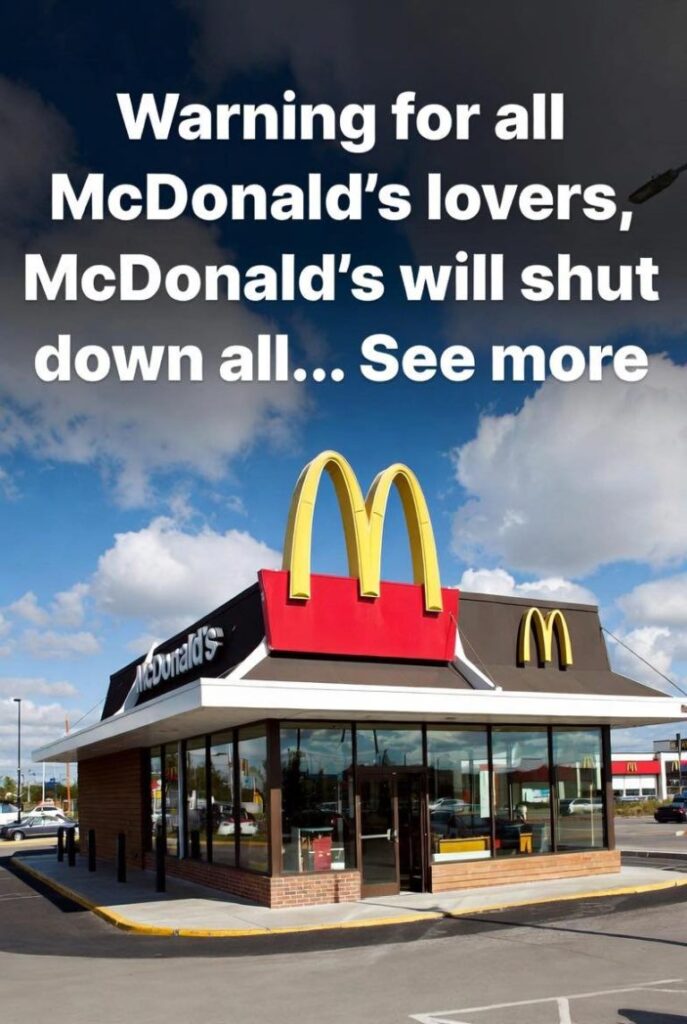
The doors are gone, and something feels wrong.
McDonald’s quiet experiment with doorless, always-open entrances has triggered a backlash nobody was ready for. Some call it progress. Others call it a warning. Is this convenience—or control? What happens to safety, privacy, and the right to simply shut the world out when even fast food never cl… Continues…
CONTINUE READING→
At first glance, a missing door seems trivial, even clever: no handles, no barriers, just a seamless path to fries at 3 a.m. But the design whispers something deeper about a culture that refuses to pause. An entrance that never closes suggests a life that never does either—no off switch, no boundary between public and private, rest and demand.
Supporters praise the move as radically welcoming, a physical promise that the brand is “always there” for anyone at any hour. Yet critics sense an unease beneath the glow of convenience. A building that cannot close feels like a life that cannot retreat. The doorless McDonald’s becomes a symbol of a world where access is constant, but safety, solitude, and the dignity of stepping away grow harder to defend.