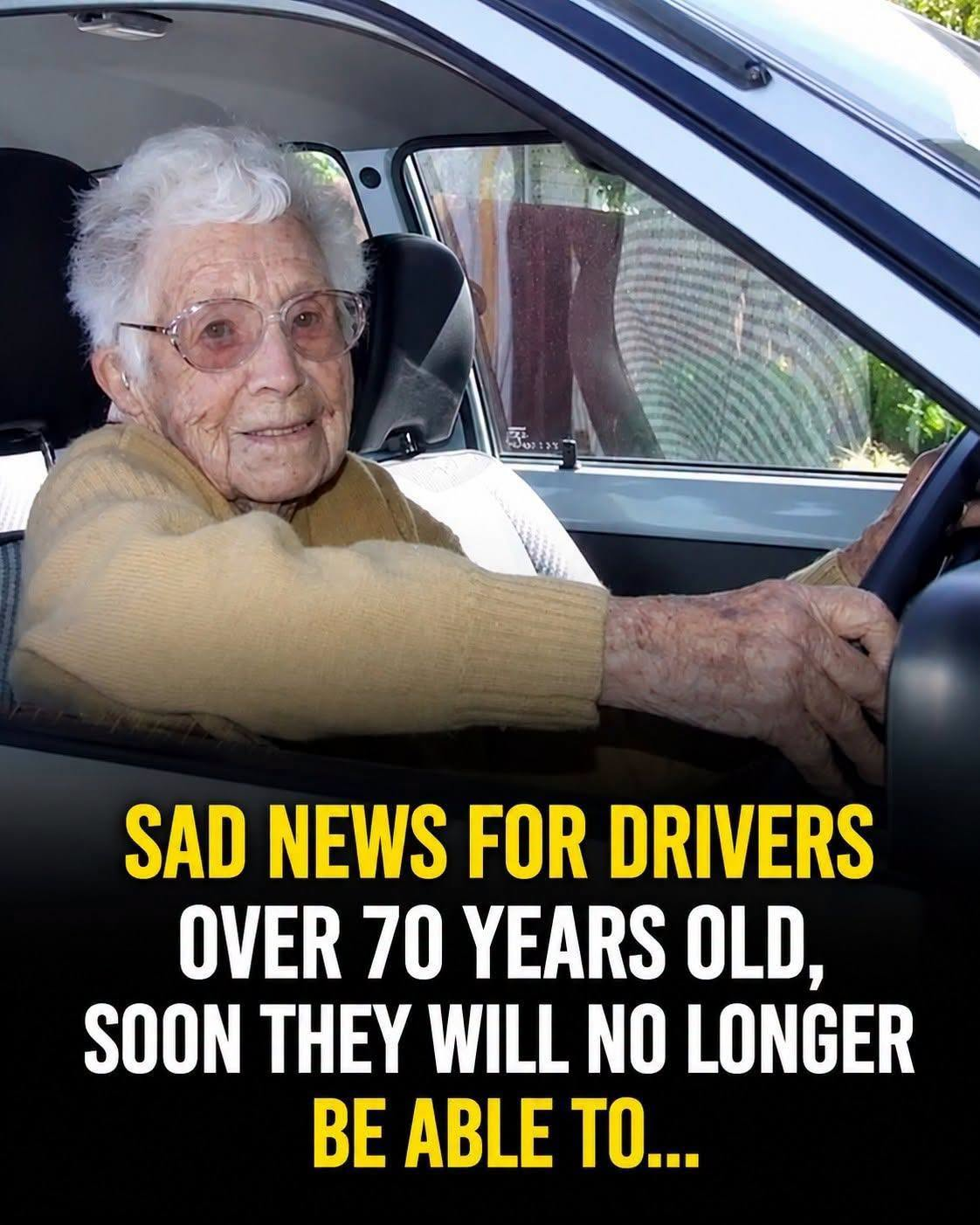
The fear hits fast. One headline, one offhand comment from a doctor or family member, and suddenly you’re wondering if the next renewal will be your last. Will they judge your age instead of your abilities? Will one bad day, one strange symptom, one new medication quietly decide your fate behind the wheel withou… Continues…
CONTINUE READING→
Independence isn’t a number on a license; it’s the quiet confidence that your body, mind, and reflexes are working with you, not against you. Aging doesn’t automatically make you an unsafe driver, but ignoring warning signs can. Subtle shifts—slower reaction time, trouble turning your head, glare at night, dizziness when you stand, medications that leave you foggy—are all gentle signals asking for your attention, not your shame. Listening early often means driving safely longer, not sooner giving it up.
The real power move is planning, not panicking. Talk openly with your doctor about your circulation, vision, balance, and medications. Schedule regular eye exams, move your body daily, and choose driving conditions that support you: daylight, familiar routes, lighter traffic. And if the day comes when the keys no longer feel safe in your hand, remember: choosing to adapt isn’t losing independence—it’s redefining it with wisdom, courage, and profound self-respect.