The world stopped breathing. In a few explosive sentences, Donald Trump claimed the United States had bombed three nuclear sites inside Iran — including the deeply buried Fordo facility. Within hours, Tehran vowed it “reserves all options.” Allies whispered of red lines. Enemies spoke of revenge. Diplomats warned of consequences that could rewr… Continues…
CONTINUE READING→
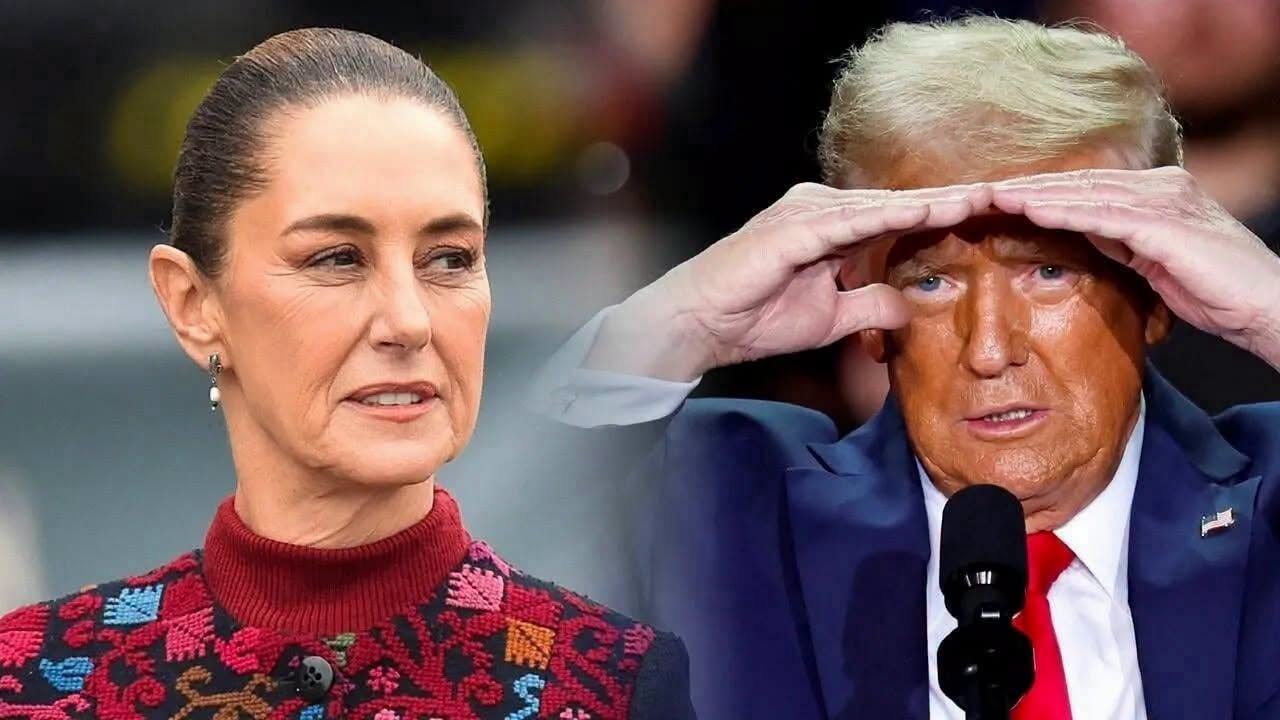
Shock rippled through foreign capitals as Trump framed the strikes as a “very successful attack” and “an historic moment” for the U.S., Israel, and the world. Supporters hailed a decisive blow against Iran’s nuclear ambitions; critics warned it could ignite the very regional war Washington claimed to be preventing. In Europe, leaders urged restraint and emergency consultations at the United Nations, fearing a collapse of already fragile diplomacy.
In Tehran, Foreign Minister Abbas Araghchi condemned the strikes as “outrageous” and “criminal,” invoking the UN Charter and insisting Iran would defend its sovereignty, interests, and people. His warning that the attack would have “everlasting consequences” fueled anxiety about cyber retaliation, missile launches, or proxy escalations across the Middle East. Between triumphalism in Washington and fury in Iran, the world now watches a narrow, dangerous space where miscalculation could turn a single night’s operation into a generational war.