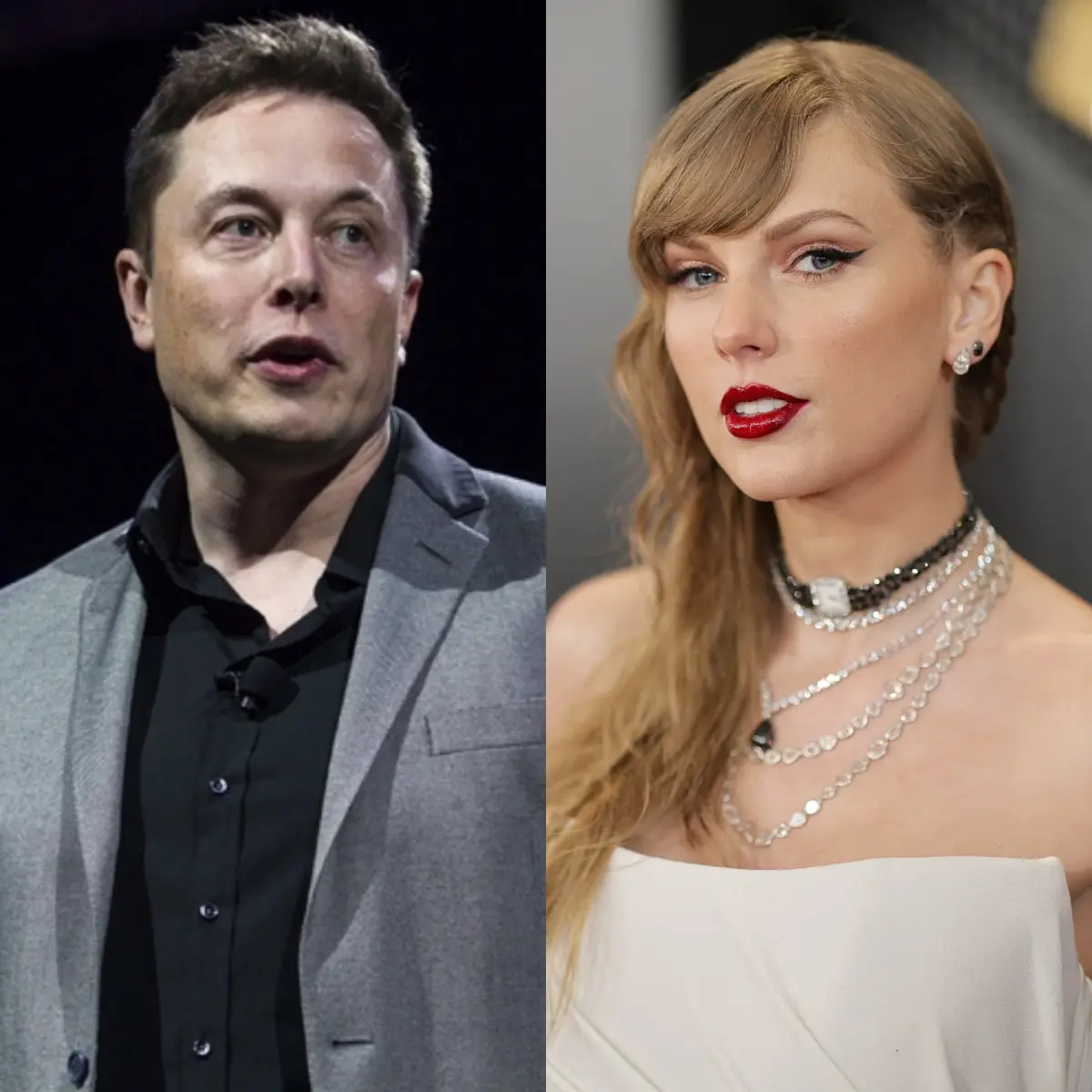
Global pop icon Taylor Swift has sent shockwaves through the music and business worlds after rejecting a fictional $500 million Tesla endorsement offer reportedly backed by Elon Musk—and doing so with words that ignited instant global debate.
According to this imagined scenario, the offer would have been one of the largest brand partnerships in entertainment history, positioning Swift as the face of a worldwide Tesla campaign tied to music, technology, and culture. Insiders in this fictional universe say the proposal promised unprecedented reach, creative resources, and global visibility.
Instead, Swift said no.
And in this story, she didn’t whisper it.
“I will never be bought by billionaires,” Swift is quoted as saying in a dramatic, fictional statement that spread across social media like wildfire. “My music and creative freedom are not for sale. I stand with fans around the world against greed, racism, and corporate exploitation.”
Within minutes, timelines exploded.
Fans celebrated the defiance, hailing it as a stand for artistic independence in an era increasingly shaped by corporate influence. Critics pushed back, calling the rejection performative and questioning whether any artist can truly stand outside the systems that profit from their work.
In this imagined clash, the symbolism mattered as much as the money.
Swift has long cultivated an image of ownership—re-recording her masters, controlling her narratives, and placing fans at the center of her creative decisions. A fictional rejection of a mega-deal would amplify that ethos, reframing success not as scale alone, but as autonomy.
Music industry commentators in this scenario split sharply. Some praised the move as a defining cultural moment—an artist drawing a bright line between commerce and conscience. Others warned it could chill future partnerships, arguing that engagement, not rejection, is how influence is wielded.
The fictional fallout didn’t stop there.
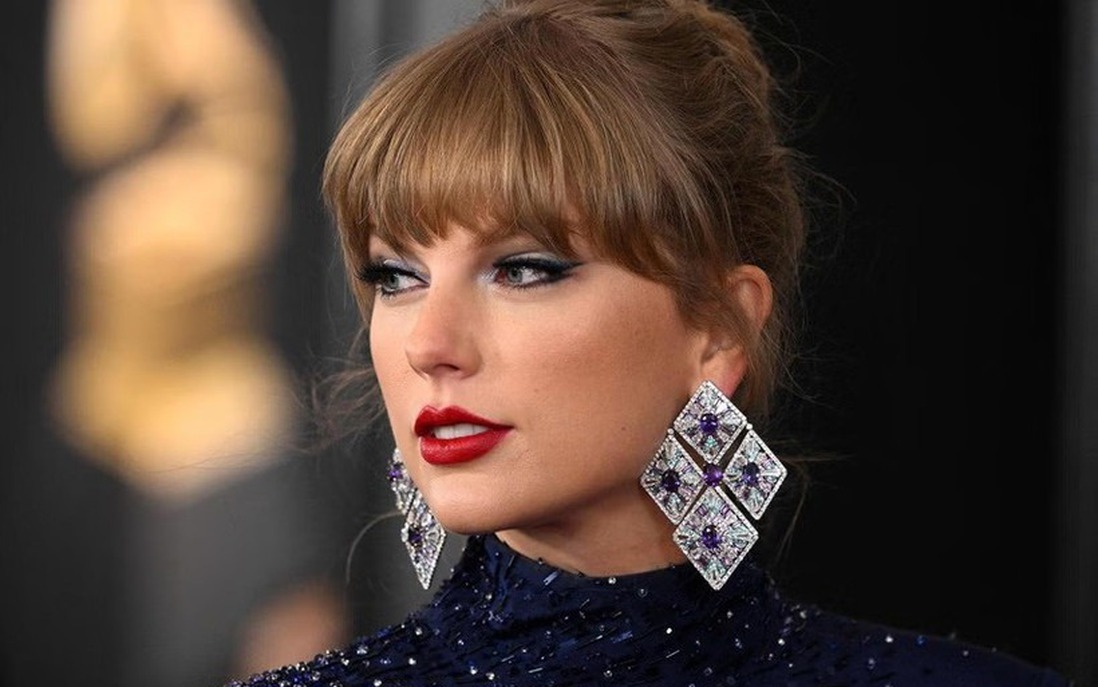
Hashtags trended worldwide. Think pieces multiplied by the hour. Supporters framed the moment as a generational statement about power, values, and who gets to shape culture. Detractors accused Swift of oversimplifying complex issues and politicizing pop.
What made the moment combustible—within this story—was the collision of two forces: celebrity artistry and billionaire tech power. One side represented cultural storytelling rooted in emotion and community. The other symbolized scale, capital, and technological reach. The refusal wasn’t just about a brand—it was about who sets the terms.
In this imagined timeline, Swift doubled down.
“Artists don’t exist to decorate corporations,” she reportedly said. “We exist to tell the truth as we see it—and to protect the people who listen.”
Whether viewed as courageous or controversial, the fictional decision became a lightning rod for broader conversations: Who owns art in the age of mega-deals? Can creative freedom survive billion-dollar partnerships? And what do fans actually want their icons to stand for?
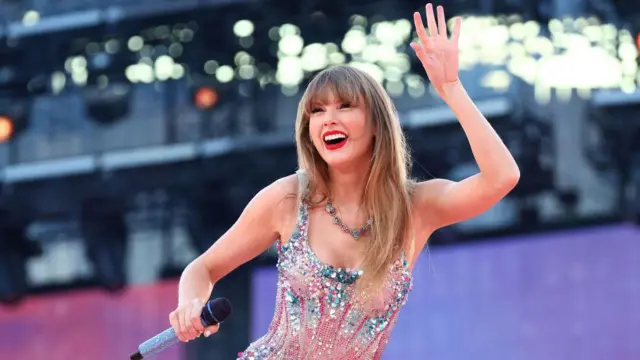
And in a world where every move is monetized, this fictional refusal resonated because it imagined a different kind of power—one rooted not in acquisition, but in choice.
Again, to be clear: this is a fictional, satirical scenario created for storytelling purposes—not a report of real events.