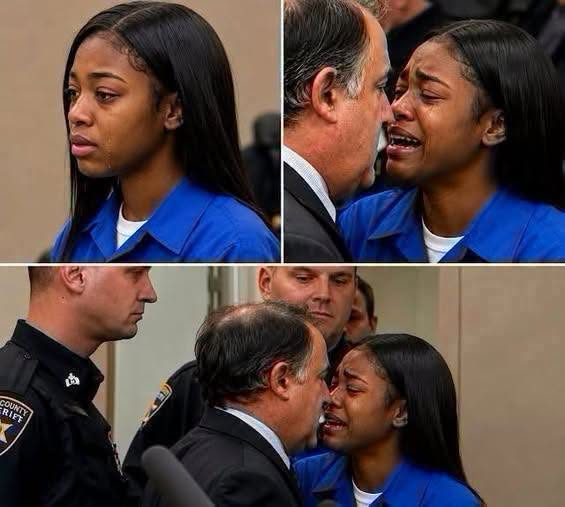
The sentence landed like a shockwave. A teenage girl, condemned to 86 years behind bars. Families of the victims called it justice. Others felt a different kind of horror rising. How do you punish a child for adult-sized devastation? Is this protection, revenge, or something more complicated? When a life is frozen in one terrible moment, can we ever truly sepa… Continues…
CONTINUE READING→
The quiet that followed that verdict carried more than legal finality; it carried the weight of competing truths. For grieving families, no sentence can resurrect what was lost, but a long term can feel like the only measure that doesn’t trivialize their suffering. It says, with brutal clarity, that their loved ones mattered and that what happened was not youthful recklessness, but an irreversible tear in the fabric of their lives.
Yet the person who tore that fabric is still neurologically, emotionally, and morally in formation. We know adolescence is a time of unfinished wiring, heightened impulsivity, and limited foresight. Recognizing that does not minimize the devastation, but it questions whether a punishment that stretches beyond a natural lifespan can ever be about more than retribution. A just society has to resist simple answers: to honor victims without discarding the offender’s humanity, to demand accountability without declaring a teenager permanently irredeemable.