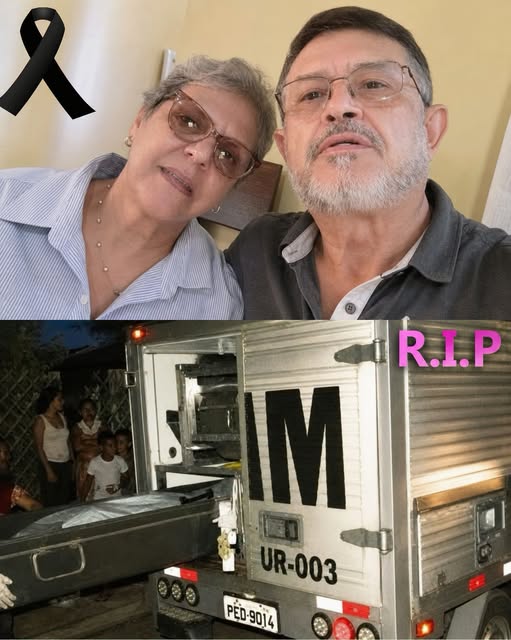
The sirens came too late. By the time the first responders burst through the flimsy motel door, the elderly woman on the bed was already slipping beyond their reach. A quiet roadside stop had transformed into a horror scene, leaving everyone who entered stunned by the suddenness of it all. The room was still, the air heavy, and the circumstances surrounding her final moments were anything but clear. Was it a tragic collapse, a lover’s betrayal, or something far, far darker than anyone had imagined?
Inside the room, investigators moved with clinical precision. They photographed the bed, examined the floor, checked the furniture, and collected anything that might speak for a woman who no longer could. Every object had the potential to become part of the timeline. A glass left near the sink, a piece of clothing, a phone, a discarded receipt, or even something as insignificant as a fingerprint could help explain what happened during those final hours.
Outside, word spread faster than any official report. Rumors traveled through whispered conversations, social media posts, and shaky cell phone videos uploaded before the body had even been removed. Some claimed the man was responsible. Others insisted the woman had been sick or had suffered an unexpected medical emergency. With no confirmed explanation, every theory seemed to grow larger with each retelling, turning a tragic death into a mystery that seemed to belong to the entire town.
In living rooms across town, her name was spoken in the past tense for the first time. Family members replayed old voicemails, searched through photographs, and remembered conversations that had seemed completely ordinary only days earlier. They wondered whether there had been warning signs hidden inside casual words. Was she afraid? Was she hiding something from the people closest to her? Had she told someone she felt unsafe? Or had she simply trusted the wrong person on the wrong night?
As investigators reconstructed the timeline, small details began taking on new significance. The time she arrived. The time the man left the room. The calls made from her phone. The movements captured by security cameras. Even the moments when no one seemed to be around became important. Detectives knew that the truth would not necessarily be found in one dramatic discovery. Sometimes it was buried inside dozens of ordinary details that only made sense when placed together.
Then came the waiting. Toxicology results had to be processed. Medical examinations had to be completed. Statements had to be compared against physical evidence. Investigators could not afford to let public speculation decide what had actually happened. Every conclusion had to be supported by something more substantial than rumor, suspicion, or a video circulating online.
Yet the longer the investigation continued, the more questions seemed to emerge. Why had the man appeared so nervous? Why had the woman chosen that motel? What happened inside the room before anyone called for help? And perhaps most importantly, was there something that could have been done differently before the sirens finally arrived?
For her family, the uncertainty was almost as painful as the loss itself. They did not simply want a theory. They wanted answers. They wanted to know what happened to the woman they loved and whether her final moments were peaceful, frightening, or filled with a desperate struggle that no one outside that room ever heard.
As toxicology results trickled in and timelines hardened into evidence, investigators began separating fact from fiction. Some rumors collapsed immediately. Others raised new questions. The case slowly moved away from the chaotic speculation of the first night and toward something colder and more precise: evidence, testimony, forensic findings, and the difficult reconstruction of a woman’s final hours.
One truth, however, refused to blur: whatever label authorities finally choose—accident, homicide, tragedy—someone made a choice that ended with a zipper closing over her face. The small motel room that had once been nothing more than a temporary stop had become the center of an investigation, carrying secrets that investigators were determined to uncover.
And in that small, humming motel, every stain, every silence, every unanswered question, and every lie is now a witness. The room cannot speak, but the evidence can. The photographs cannot explain themselves, but they may reveal what memory tries to hide. And somewhere within those final hours may be the single detail capable of turning a mystery into an answer.