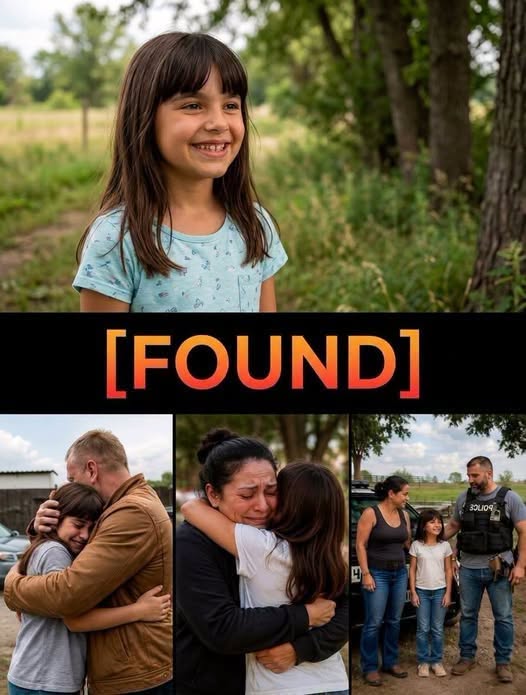
The first call didn’t sound like salvation. It sounded like a clerical error with a pulse. A dispatcher’s flat voice, a street name, a question that made the room stop breathing. Then the words that detonated years of worst-case fantasies: “We believe we’ve found your daughter.” Relief hit like impact, not like peace. Because you can bring a body home. A childhood is harder to recla… Continues…
CONTINUE READING→
They drove to the station in silence, rehearsing lines they’d never say: We’re sorry. We should have fought harder. We didn’t know how to live without you, so we learned. She sat across from them in borrowed clothes, shoulders squared like someone bracing for impact, not embrace. They recognized her eyes but not the way they scanned exits before meeting anyone’s gaze. Love rushed in; certainty did not.
In the weeks after, casseroles and camera crews arrived, then vanished. Therapists used words like “integration” and “processing,” as if a vanished life could be stapled back onto the present. Her room stayed the same; she did not. She flinched at doorbells, slept with the light on, laughed at the wrong moments. The town called it a miracle. Inside that house, it felt more like an aftershock that no one yet knew how to survive.