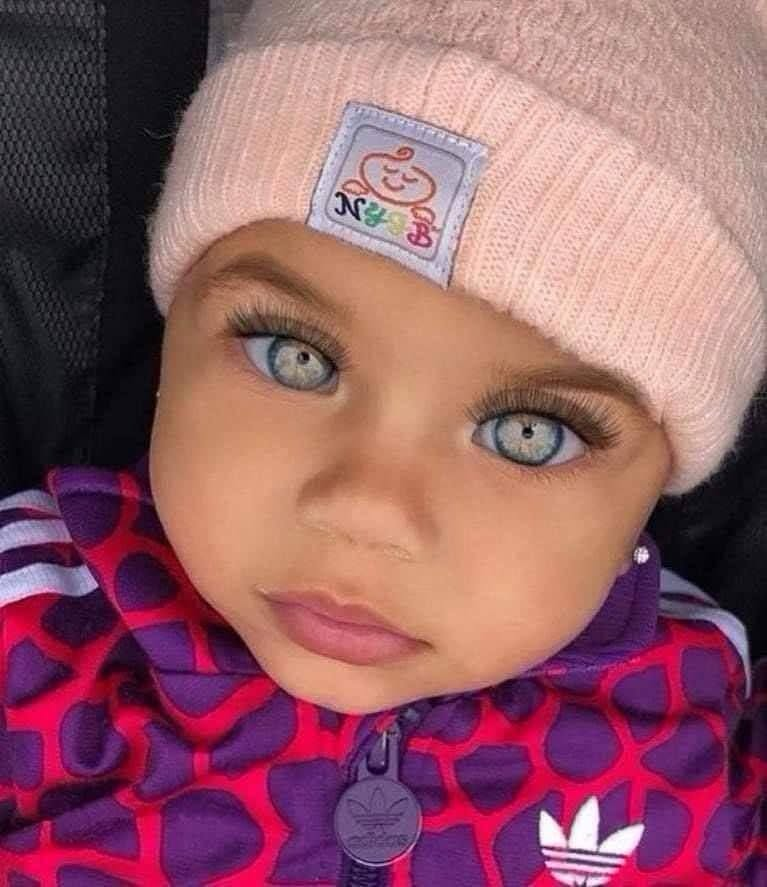
She didn’t ask for the spotlight. It crashed into her life. At ten, her image was already a battlefield—admired, dissected, owned by strangers who never learned her name beyond a headline. What happens to a child when the world decides what she means before she can even speak for herself? When her reflection stops belonging to h… Continues…
CONTINUE READING→
She grew up learning that other people’s opinions arrived faster than her own thoughts. Classmates had already seen her online. Strangers felt entitled to comment on her face, her body, her future. Adults framed her as a symbol—beauty, controversy, innocence lost—anything but a child trying to understand why her life felt like a story she didn’t write. Over time, the disconnect deepened: the girl in the photos and the person in the mirror felt like two different people.
What ultimately changed was not the past, but her claim over the present. With help, she began to set boundaries: refusing certain interviews, limiting what she shared, insisting on being more than an image. Her story is not a neat redemption arc; it is a quiet insistence that children are not public property. She is still becoming herself, this time on her own terms, in a world that finally has to learn to look—and then step back.