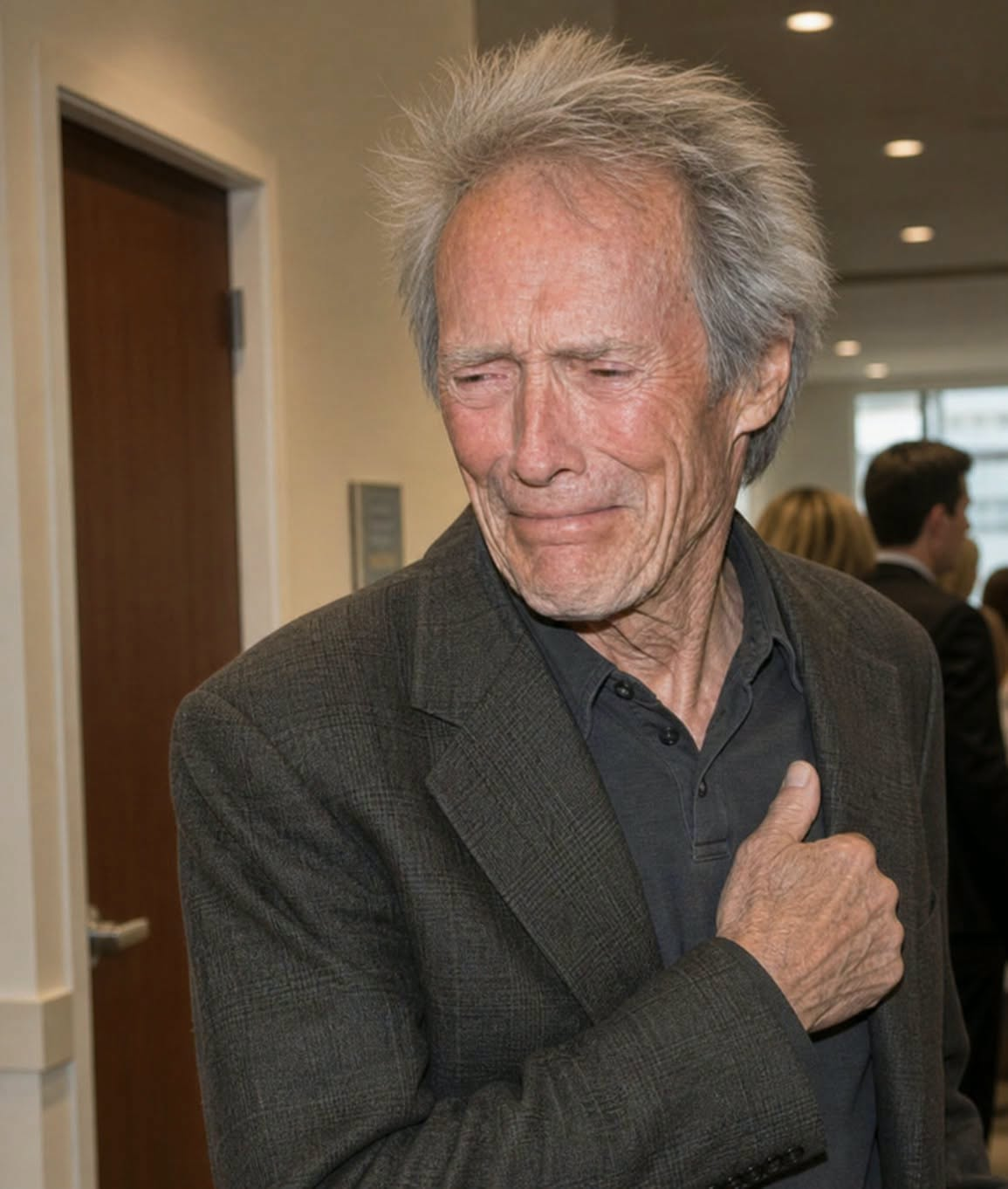
From the first time he narrowed his eyes on-screen, something changed. Silence became dangerous. Pauses felt like loaded weapons. Now, at 94, every new project lands like a possible farewell, stirring a question nobody wants to ask out loud. Is this the end… or one last transformation in a career that refuses to be neatly sum… Continues…
CONTINUE READING→
For more than six decades, Clint Eastwood has shaped a singular conversation between audience and screen. He began as a man of few words, a mythic figure framed by dust and gun smoke, then slowly dismantled that myth with films that questioned heroism, justice, and the cost of violence. Each new era of his work has asked harder questions, trusting viewers to sit with discomfort instead of easy answers. Juror No. 2 fits that legacy, not as a loud final act, but as another quiet reckoning with conscience and responsibility.
Whether it proves to be his last film almost feels secondary now. His influence is already woven into the language of modern cinema: the power of restraint, the courage to leave moral space unfilled, the belief that silence can carry more truth than speeches. If a final bow comes, it will likely arrive the way his greatest moments always have—unforced, unannounced, and unforgettable.