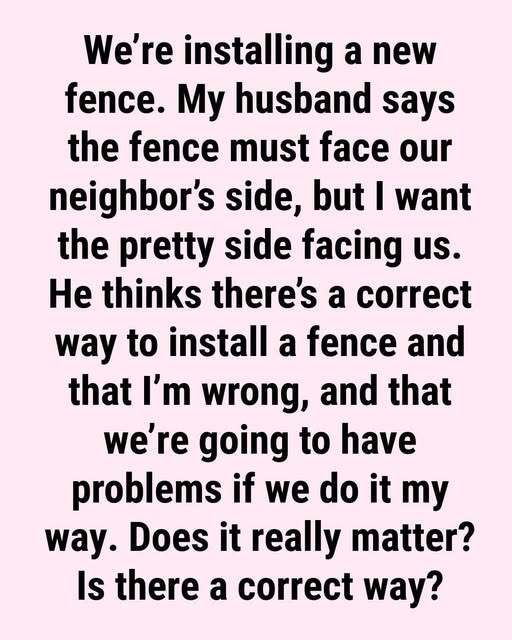
For many homeowners, a backyard fence feels like a simple, practical upgrade. It offers privacy, defines property lines, and creates a sense of order and comfort. Yet there is one aspect of fence building that often catches people off guard. It is not the cost, the materials, or even the labor. It is the quiet question of which side of the fence should face the neighbor.

This issue may seem small at first glance, but for homeowners, especially those who value long standing neighborhood harmony, it can feel surprisingly weighty. A fence is not just wood, vinyl, or metal. It is a visible statement that sits between two homes, sometimes for decades. How it is placed and how it is discussed can influence relationships far more than many people expect.
Understanding backyard fence etiquette, local fence rules, and neighborly communication can help you make a confident decision while preserving goodwill on both sides of the property line.
Why Fence Direction Feels So Personal
When homeowners notice a fence leaning or facing a certain way, it can stir an unexpected sense of concern. The structure may be solid, legal, and well built, yet still feel like it sends a message. For some, the finished side facing one yard and not the other feels symbolic, as though one space is being favored over another.
This reaction is common, particularly among homeowners who have lived in their homes for many years. A fence often represents permanence. It is not easily moved or ignored once installed. That permanence can make people worry about how their choices will be interpreted by neighbors they see regularly and may have known for a long time.
Many people have heard the phrase, “the good side of the fence should face outward.” It is repeated so often that it feels like an official rule. In reality, it is more of a long standing custom rooted in courtesy rather than law.
The Origins of the “Good Side Out” Belief
Traditionally, the smoother, more finished side of a fence was placed facing outward toward neighbors or the street. The reasoning was simple. It looked better and helped maintain a pleasant appearance for the surrounding area. This practice became a shared expectation in many communities, passed down through casual advice rather than formal regulations.
Over time, this expectation took on a life of its own. Homeowners began to assume that facing the finished side inward was rude or inconsiderate, even if no written rule existed. For some, breaking this tradition felt like risking unnecessary tension.
However, customs are not the same as requirements. Understanding that difference can relieve much of the stress surrounding fence installation decisions.
What the Law Usually Says About Fence Placement
In many parts of the United States, there is no legal rule that dictates which side of a fence must face a neighbor. Local building codes typically focus on height, materials, and placement rather than appearance. As long as the fence meets safety and zoning standards, homeowners often have flexibility in how it is installed.
That said, exceptions do exist. Some cities have specific fence regulations, and many homeowner associations outline detailed guidelines in their covenants. These rules may address which side of the fence faces outward, particularly when the fence borders a street, sidewalk, or shared community space.
Before starting any fence project, it is wise to check local ordinances and review any association rules that apply to your property. A quick review can prevent costly adjustments later and provide peace of mind.
Shared Property Lines and Mutual Responsibility
Fence etiquette becomes more complex when a fence sits directly on a property line. In these cases, responsibility is often shared. Both homeowners may need to agree on placement, materials, and maintenance. This shared ownership can be beneficial, but it also requires clear communication.
When neighbors contribute jointly to a fence, decisions about which side faces which yard should be discussed openly. A simple conversation early in the process can prevent misunderstandings that might otherwise linger for years.
If a fence is built entirely within one property line, the homeowner generally has the final say. Even then, thoughtful communication remains important. Legal rights do not always equal neighborly harmony.
Why Communication Matters More Than Fence Panels
The most important factor in any fence decision is not the direction of the boards. It is the conversation that happens before the first post is set in the ground. Taking the time to talk with your neighbor shows respect and consideration, regardless of the final outcome.
A friendly discussion can clarify intentions, address concerns, and uncover preferences you may not have anticipated. Some neighbors may not care which side faces them. Others may appreciate being included in the decision, even if the fence ultimately remains the same.
For homeowners aged 60 and older, this approach often aligns naturally with long held values of courtesy and mutual respect. A calm, straightforward conversation can protect relationships that matter far more than any piece of fencing.
Written Agreements and Clear Boundaries
In some situations, especially when sharing costs or property lines, it may be helpful to put agreements in writing. This does not need to be formal or complicated. A simple document outlining responsibilities and expectations can prevent confusion later.
Written agreements are particularly useful if one homeowner plans to sell in the future. Clear records help new owners understand the arrangement and reduce the chance of disputes.
Clear boundaries, both physical and conversational, create confidence on both sides. When everyone understands what was agreed upon, there is less room for resentment or uncertainty.
Considering Long Term Maintenance
Fence etiquette does not end once construction is complete. Maintenance is an ongoing responsibility that can affect both properties. A well maintained fence reflects care and consideration, while a neglected one can become a source of frustration.
Homeowners should consider how repairs, staining, or replacement will be handled over time. Discussing these points in advance shows foresight and respect for shared spaces.
Even when a fence is fully owned by one homeowner, maintaining it properly helps preserve the overall appearance of the neighborhood. This attention to detail often strengthens community relationships rather than straining them.
Balancing Personal Preference and Community Harmony
Every homeowner has the right to enjoy their property and make decisions that suit their needs. At the same time, living in a neighborhood involves shared spaces and ongoing interactions. Balancing these realities requires thoughtfulness and flexibility.
Choosing which side of a fence faces outward may come down to practical concerns such as durability, access for repairs, or landscaping plans. When these choices are explained openly, neighbors are more likely to understand and accept them.
Courtesy does not mean sacrificing your needs. It means communicating clearly and considering how your decisions affect those around you.
The Deeper Meaning Behind Fence Etiquette
At its core, the debate over fence direction is not really about aesthetics or tradition. It is about respect. Fences mark boundaries, but they also sit at the intersection of two lives and two homes.
Laws and building codes provide structure, but they cannot replace human understanding. A well placed conversation can do more to maintain peace than any regulation ever could.
For many older homeowners, a good neighbor is one of life’s great comforts. Protecting that relationship is often worth a few extra minutes of discussion and consideration.
Backyard Fences and Neighborly Courtesy
Building or adjusting a backyard fence is a practical task, but it carries emotional weight that should not be ignored. The direction of the panels matters far less than the intention behind the decision.
When homeowners approach fence projects with openness, clarity, and respect, the result is more than a physical boundary. It is a shared understanding that helps neighborhoods remain welcoming and cooperative for years to come.
A fence may define where one yard ends and another begins, but it is communication and courtesy that truly keep neighbors on good terms long after the work is done.