Breaking: Hospital Locked Down After Active Shooter Report — What Happened and Why It Matters
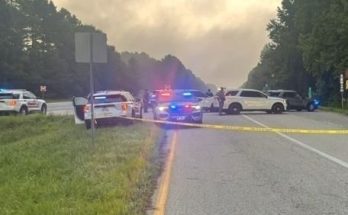
On the evening of March 1, 2026, a serious incident at Baptist Health Brookwood Hospital in Homewood, Alabama, triggered an immediate lockdown of the medical facility after police received reports of shots fired inside the hospital’s Women’s Medical Center. The incident, which authorities are now investigating as an apparent murder-suicide, resulted in two deaths and a temporary but intense period of fear and uncertainty for patients, staff, and families.
In this post, we’ll walk through exactly what’s known about the situation, why hospitals sometimes go into lockdown during violent incidents, and what this episode reveals about the broader challenge of ensuring safety in places designed for healing.
How the Incident Unfolded
Shortly before 9:30 p.m. CST on Sunday, the Homewood Police Department responded to a possible “shots fired” call inside the Brookwood Women’s Center — a part of the larger hospital complex. Law enforcement arrived within minutes and discovered two people with gunshot wounds inside the building.
According to officials, a 24-year-old woman identified as Precious Elicia J’anae Johnson was a patient at the facility when she was shot multiple times. A 19-year-old man, later identified as her husband, Kynath William Terry Jr., was also found dead from a self-inflicted gunshot wound at the scene. Authorities believe the incident was a domestic murder-suicide.
The hospital implemented a full lockdown immediately after the initial report. This meant no one could enter or exit the building while law enforcement secured the scene, ensured there was no additional threat, and cleared the area to protect patients and staff. Officials later confirmed that there was no ongoing threat to the public, patients, or team members as the investigation progressed.
While investigators continue collecting evidence and piecing together the precise sequence of events, the incident highlights the very real — albeit rare — possibility of gun violence intruding into healthcare settings.
Why Hospitals Lock Down After Reports of Violence
Hospitals are among the most vulnerable environments when it comes to potential violence. They are open, accessible buildings with hundreds of people coming and going at all hours — many of whom are under stress, in pain, or emotionally vulnerable. When a violent incident is reported inside such a location, security protocols kick in immediately.
A hospital lockdown is typically triggered by:
-
Reports of an active shooter or shots fired within or near the facility;
-
Suspicious individuals with weapons spotted inside or on the grounds;
-
A violent altercation that might endanger other patients, staff, or visitors.
The goal is simple: prevent further harm while law enforcement responds. In such moments, hospital staff lock doors, warn people to shelter in place, and coordinate with police to secure the perimeter. For patients in rooms, that could mean locking doors and staying low; for people elsewhere in the building, it means following the instructions of hospital security and emergency messages.
Hospitals often practice these lockdown protocols through drills to improve response times and ensure that all employees and patients know what to do in case of a true emergency.
The Aftermath in Homewood
Once authorities confirmed the incident was over and the scene was secured, the hospital began to resume normal operations. Baptist Health Brookwood hospital leadership cooperated with investigators and ensured the public that ongoing services were continuing as usual.
Yet the emotional impact doesn’t disappear as soon as the doors reopen.
For those inside during the lockdown — patients separated from family members, nurses and doctors in the middle of their shifts, and visitors unsure what was happening — the fear and confusion can linger. Even when no one else is injured, the psychological toll of such an event is real.
Many hospitals in the U.S. have now begun to offer after-incident counseling and debriefings to help staff and patients process the trauma of lockdowns and shootings. While this incident was narrowed to a specific domestic altercation, it nonetheless serves as a reminder of the unpredictable intersections between everyday life and violence.
Gun Violence in Hospitals: Rare but Serious
Events like this — where gunfire is reported inside a hospital — are relatively rare but not unprecedented. Over the past decade, there have been several notable incidents where hospital operations were disrupted due to shootings or active shooter alarms:
-
A 2018 shooting at UAB Highlands Hospital in Birmingham where a hospital employee was killed and another injured. Patients and staff were sheltered in place as police responded.
-
The 2012 shooting at St. Vincent’s Hospital, also in Birmingham, where a gunman wounded hospital workers and a police officer before being shot dead by responding officers.
These cases are examples of how a place meant for safety — healing, recovery, and care — can suddenly become a central stage for violent conflict.
While national data shows that the majority of shootings still occur in public spaces like schools, workplaces, or residential areas, gun violence does sometimes infiltrate medical environments, posing serious risks and leading to lockdowns as protective measures.
From Lockdown to Reflection: What This Means for Communities
When a hospital announces a lockdown due to an active shooter report or related violence, it typically sets off a wave of reactions:
-
Immediate Public Fear and Confusion:
For families with loved ones inside, the unknown is terrifying. Even after officials confirm the threat has passed, community members may feel shaken. -
Questions About Safety Protocols:
Incidents like this raise important questions about how firearms enter secure buildings, what screening procedures are in place, and whether more security measures are needed. -
Discussion of Domestic Violence:
In the Homewood case, the shooting was linked to a domestic violence situation. That highlights the broader issue of how private, personal conflict can spill into public spaces — even those where people are supposed to feel safe. -
Impact on Healthcare Workers:
Doctors, nurses, and hospital staff are trained for many emergencies, but dealing with violence directed at patients or colleagues is another challenge entirely. These experiences can contribute to burnout and long-term stress. -
Policy Conversations:
Incidents at hospitals fuel debate about gun safety, hospital security measures, and the balance between open access for patients and protective barriers against threats.
Safety Planning and Preparedness
In response to rare but high-impact incidents, many healthcare systems are strengthening preparedness:
-
Communication protocols: Loudspeaker systems and phone alerts are used to inform everyone inside quickly.
-
Security training: Staff receive training to respond to active shooter threats or violent incidents.
-
Coordination with law enforcement: Hospitals work closely with local police departments to plan rapid response strategies.
-
Physical security improvements: These can include controlled access points, badge systems for staff, and sometimes metal detectors in high-risk areas.
Hospitals are balancing two competing needs: remaining welcoming and accessible for patients who need care, while also maintaining the capacity to protect vulnerable people during violent incidents.
Why This Story Resonates Nationally
Even though this particular incident appears to have been confined to a specific domestic dispute, the wider implications touch on key national issues:
-
Gun violence in the U.S. remains a persistent concern.
-
Healthcare settings are not immune to societal violence.
-
Emergency preparedness and crisis communication are essential for all public institutions.
The fact that a place designed to save lives had to be locked down amid reports of gunfire underscores the unpredictability of violence and the need for thoughtful prevention strategies.
Final Thoughts
The March 1 lockdown at Baptist Health Brookwood Hospital in Homewood, Alabama, illustrates both the urgency of responding to violent incidents and the fragility of assumptions about safety in public spaces. While investigators continue their work and families mourn the losses, hospitals and communities are left reflecting on security, preparedness, and how to support one another after trauma.
Even as the immediate threat has passed and the facility returns to normal operations, the incident remains a stark reminder that violence can occur anywhere — and that safety protocols, trained staff, and community resilience are essential parts of our shared response.