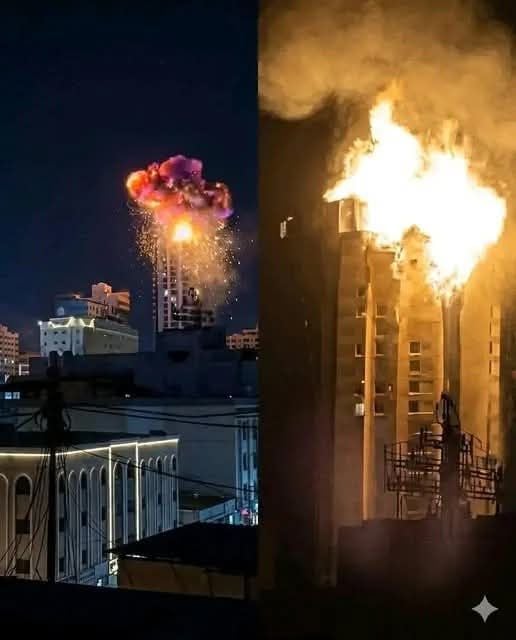
In the choking uncertainty of that night, the Gulf’s fragile routine collapsed in minutes. Flights were grounded, highways emptied, and families huddled around television screens, listening for any scrap of clarity. In cities like Abu Dhabi and Dubai, the echo of a distant explosion carried more than sound; it carried the realization that the conflict so often watched from afar had finally brushed their own skies.
Yet beneath the roar of jets and the language of retaliation, quieter forces moved. Diplomats worked phones in back rooms, regional leaders weighed every word, and ordinary people sent hurried messages—“Are you safe?”—across borders and time zones. History may record missiles, bases, and airspace closures, but the true measure of this escalation lies in those sleepless hours when millions silently asked whether dawn would bring calm, or the beginning of something far worse.