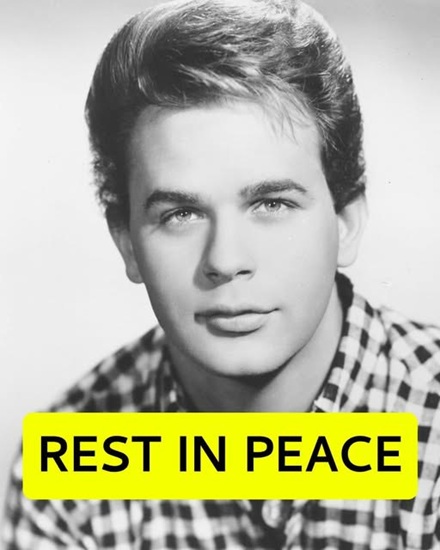
The world of classic pop music has been shaped by many unforgettable voices, and few were as distinctive as that of Lou Christie. Known for his soaring falsetto and emotionally charged performances, Christie remains one of the most recognizable figures of 1960s pop music history.
Born Lugee Alfredo Giovanni Sacco in Glenwillard, Pennsylvania, Christie grew up in a modest, working-class environment where music quickly became central to his identity, offering both creative expression and a sense of belonging during his formative years.
His earliest exposure to singing came through his local church choir, where his natural vocal abilities began to emerge. Surrounded by hymns and harmonies, he developed an appreciation for melody, structure, and emotional storytelling.
One of his most cherished early memories involved performing “Away in a Manger” during a first-grade Christmas pageant. The applause he received that day left a lasting impression, igniting a lifelong passion for performance and music.
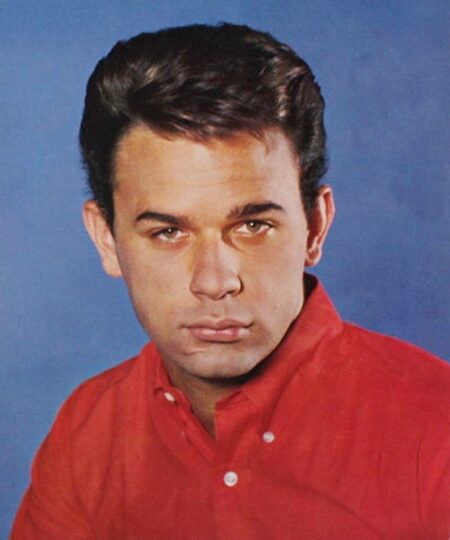
As a teenager, Christie immersed himself in the rapidly evolving pop and rock scene of the late 1950s and early 1960s. Influenced by emerging trends, he began experimenting with his voice, developing his signature falsetto style.
Unlike many of his contemporaries, Christie embraced vocal risk-taking, often pushing his voice into dramatic, high-register territories. This unique approach would later become one of his defining trademarks, setting him apart in a competitive music industry.
Determined to pursue music seriously, he began recording songs in a small two-track studio near his hometown. These early recordings reflected both ambition and raw talent, capturing the foundation of a promising career.
Without the backing of a major label in his early days, Christie relied heavily on persistence and self-belief. His journey illustrates how dedication and creativity can overcome limited resources and industry barriers.
A pivotal moment in his career came through his collaboration with songwriter Twyla Herbert. Their creative partnership proved highly influential, blending poetic lyricism with experimental musical arrangements that challenged conventional pop formulas.
Together, Christie and Herbert crafted songs that stood out for their emotional intensity and structural uniqueness. Their work often combined dramatic storytelling with unexpected shifts in tone, showcasing a bold artistic vision.
Christie’s first major breakthrough came in 1963 with the release of The Gypsy Cried. The track’s distinctive sound and expressive vocals quickly captured attention, earning him recognition on national music charts.

Following this success, he released Two Faces Have I, which further solidified his reputation as an innovative and daring performer. Its layered composition highlighted his willingness to experiment musically.
During this period, Christie also faced challenges, including concerns from radio stations about lyrical content. Despite these obstacles, he remained committed to artistic expression and continued refining his distinctive musical style.
In 1966, Christie achieved his most iconic success with Lightnin’ Strikes, a track that would define his career. Its dramatic arrangement and bold vocal delivery captivated audiences across the United States.
Co-written with Twyla Herbert, the song reached number one on the Billboard Hot 100 chart. Notably, it achieved this milestone on Christie’s twenty-third birthday, adding personal significance to an already historic achievement.
“Lightnin’ Strikes” stood out for its innovative structure, blending spoken-word verses with soaring falsetto choruses. This unique format helped distinguish it from other songs of the era, contributing to its lasting popularity.
The success of the track cemented Christie’s place among the leading pop artists of the 1960s. It also demonstrated his ability to combine technical vocal skill with emotional storytelling in a compelling and memorable way.
Following his breakthrough, Christie continued to release music throughout the late 1960s, navigating an industry that was rapidly changing. New genres and cultural shifts required adaptability and creative resilience.
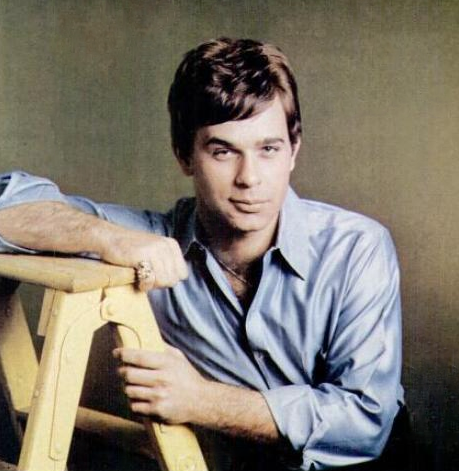
Despite shifting trends, including the rise of psychedelic rock and other emerging styles, Christie remained dedicated to his artistic identity. He continued producing music that reflected his signature sound and emotional depth.
His career included periods of transition, during which he explored new directions and adjusted to evolving audience preferences. These phases demonstrated his versatility and willingness to grow as a performer.
Beyond commercial achievements, Christie’s music resonated deeply with listeners who connected with the sincerity of his performances. His ability to convey vulnerability and passion became a defining characteristic of his work.
In addition to his studio recordings, Christie established himself as a compelling live performer. His concerts highlighted not only his impressive vocal range but also his engaging stage presence and connection with audiences.
Throughout the years, he maintained a loyal fan base that continued to appreciate his contributions to pop music. His songs remained popular on oldies radio stations and among fans of classic hits.
Christie’s enduring appeal lies in the timeless quality of his recordings. Even decades after their release, his songs continue to evoke emotion and nostalgia, introducing new listeners to his distinctive voice.
Over time, he occasionally returned to more intimate musical settings, including performances that reflected his early roots. These moments often carried the same authenticity that defined his beginnings in church choirs.
His journey through the music industry serves as a testament to perseverance and artistic integrity. Despite challenges, he remained committed to his craft, consistently delivering performances that reflected genuine emotion.
The collaboration between Christie and Twyla Herbert remains a cornerstone of his legacy. Their partnership produced music that challenged conventions and contributed significantly to the evolution of pop songwriting.
Even today, Christie’s influence can be felt in artists who value expressive vocals and innovative arrangements. His work continues to inspire musicians seeking to push creative boundaries within popular music.
Importantly, his story reflects the broader cultural landscape of the 1960s, a period marked by experimentation and transformation in music. Christie’s willingness to innovate placed him firmly within this dynamic era.
While many artists from his generation have faded from mainstream recognition, Christie’s music has retained its relevance. His recordings continue to be celebrated for their originality and emotional impact.
Listeners often cite his falsetto as one of the most distinctive elements of his artistry. This vocal technique, used with precision and emotion, became a signature feature that defined his musical identity.
His ability to balance technical skill with heartfelt expression ensured that his performances remained memorable. This combination helped establish a lasting connection between Christie and his audience.
From humble beginnings in Pennsylvania to national recognition, Christie’s journey illustrates the transformative power of talent and determination. His story continues to resonate with aspiring artists around the world.
Ultimately, Lou Christie’s career stands as a powerful example of artistic perseverance and innovation. His music, especially “Lightnin’ Strikes,” continues to echo across generations, preserving the legacy of a remarkable performer.