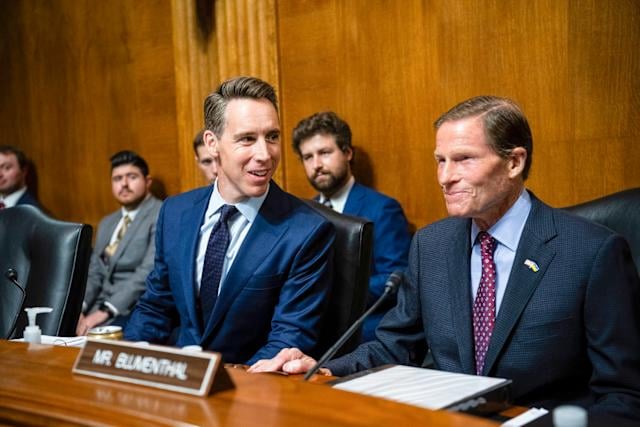
In a Capitol usually defined by gridlock, the overwhelming 88–2 vote revealed how urgently both parties are searching for answers to climate change and energy insecurity. By slashing red tape, cutting licensing costs, and speeding environmental reviews, the bill is designed to pull nuclear power out of the past and into a world that demands cleaner, steadier electricity. Supporters see advanced reactors and small modular designs as the backbone of a resilient, low‑carbon grid that doesn’t fail when the wind drops or the sun sets.
Yet the unease is real and unresolved. Critics warn that faster approvals risk sidelining communities, weakening environmental scrutiny, and dodging the hardest question of all: where the waste will go for centuries to come. This legislation doesn’t end that tension; it formalizes it. If Biden signs, America will move faster into a nuclear future—still divided over the risks, but no longer willing to stand still.