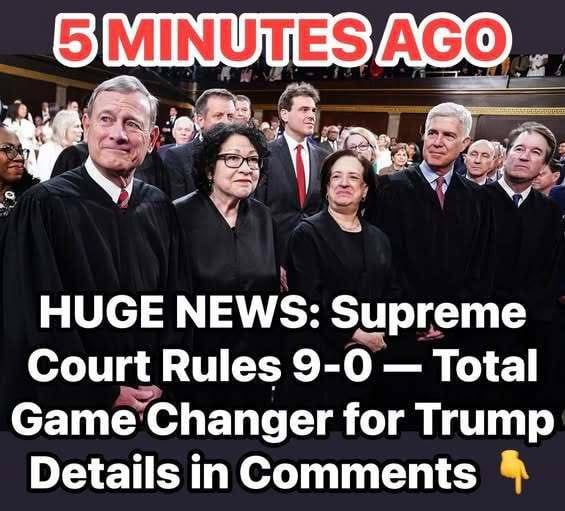
The Supreme Court’s unanimous decision marks a turning point in how faith and work collide in America. By discarding the old “minimal cost” excuse, the justices forced employers to take religious requests far more seriously. Now, a company must prove a genuine, substantial burden before saying no to an employee who needs time to pray, observe a Sabbath, or follow religious dress and grooming rules.
For many workers, this feels like long-withheld validation: their beliefs can no longer be dismissed as mere inconvenience. But the ruling also injects uncertainty into already strained workplaces, where managers must juggle coverage, fairness, and morale while honoring deeper obligations under the law. The decision doesn’t guarantee every request will be granted, yet it shifts the moral and legal center of gravity. In this new era, employers must listen first, deny last, and be prepared to defend every refusal.