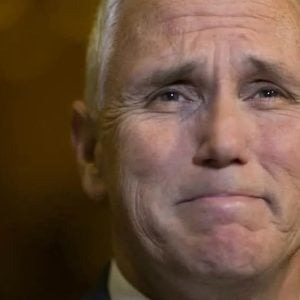
He had always believed endurance was the price of leadership—late nights, endless crises, and the quiet ache of being misunderstood. What he hadn’t counted on was how the grind would hollow him out, one compromise at a time, until he no longer recognized the man behind the podium. The cameras had become both witness and prison, capturing every controlled smile while missing the exhaustion in his eyes when the lights dimmed.
In finally admitting that the cost had grown too high, he broke an unspoken rule of public life: never confess weakness. Yet in that rupture, something softer emerged. He chose to measure success not in votes or headlines, but in dinners not missed, birthdays not postponed, apologies finally spoken at home. Walking away did not erase the damage, but it opened a narrow, honest path toward repair—for him, and for those who had waited, silently, for him to come back.