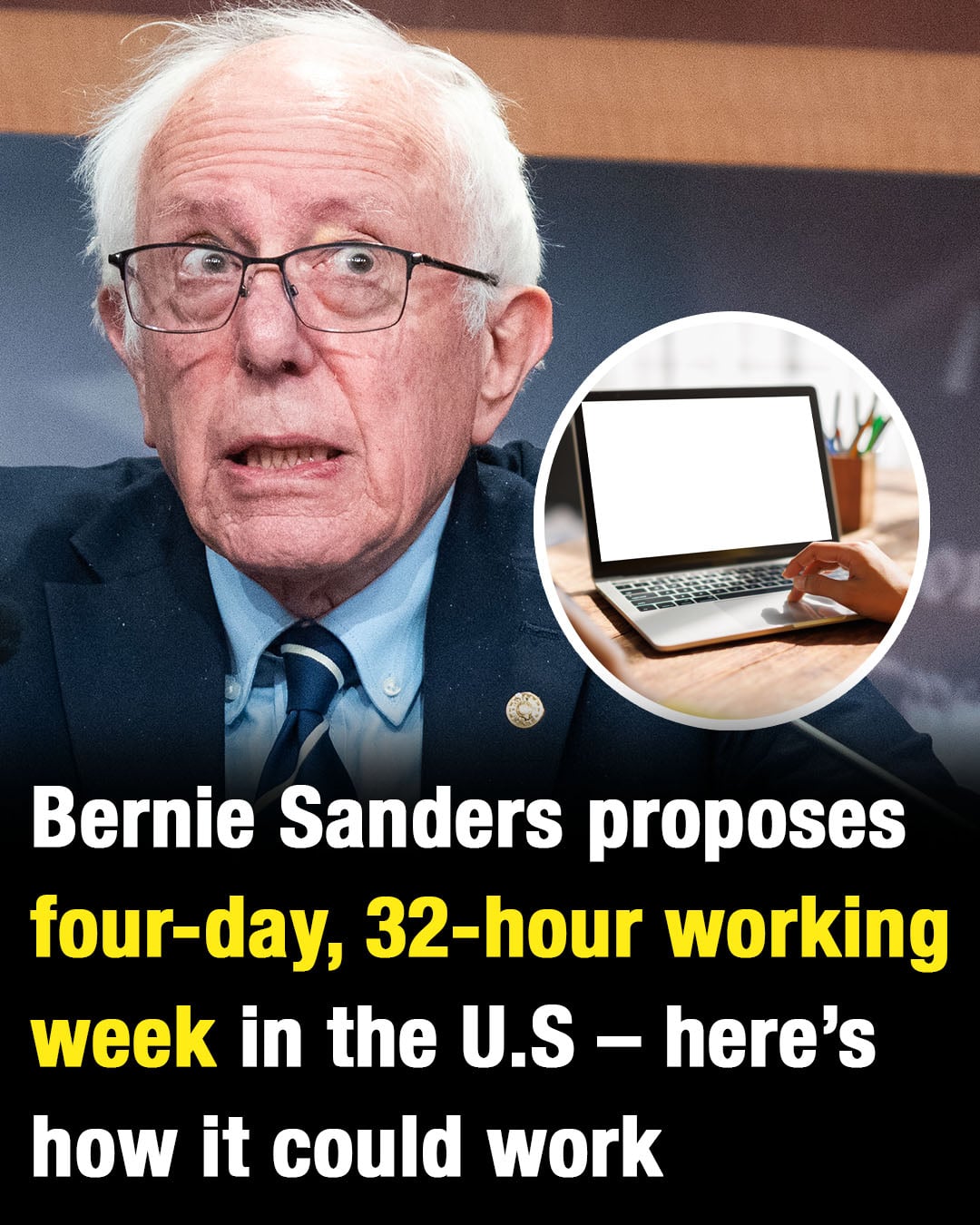
Sanders’ push for a 32-hour workweek is more than a policy tweak; it’s a moral argument about who should benefit when machines get smarter. In his view, if AI can multiply productivity, that gain shouldn’t just swell corporate balance sheets. It should buy back human time: dinners with kids, night classes, quiet mornings without an alarm. The Thirty-Two Hour Workweek Act is his attempt to lock that principle into law, by forcing overtime pay beyond 32 hours and nudging companies toward a four-day norm.
Yet he pairs this hopeful vision with a stark warning. The same technology that could free workers might also deepen inequality or even reshape war, as robotic soldiers make conflict easier to wage. Between those two futures lies a political choice. Sanders is betting that if people demand it, AI can build a fairer work life instead of a colder, more disposable one.