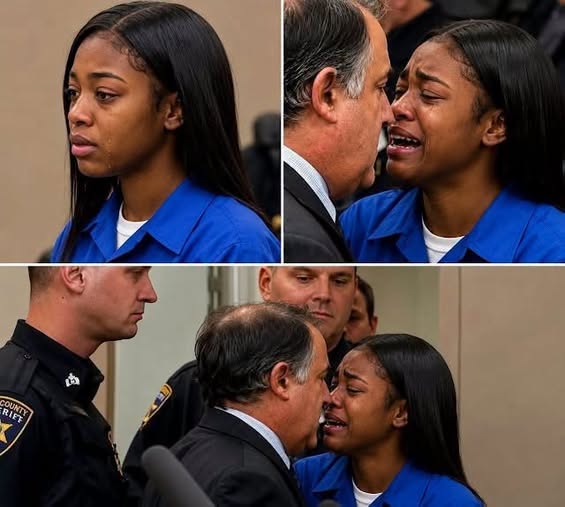
The sentence landed like a shockwave. A teenage girl, condemned to 86 years behind bars. Families of the victims called it justice. Others felt a different kind of horror rising. How do you punish a child for adult-sized devastation? Is this protection, revenge, or something more complicated? When a life is frozen in one terrible moment, can we ever truly sepa… Continues…
CONTINUE READING→
The silence in that courtroom was not just about a number. It was about lives already shattered, and another life effectively erased. For the victims’ families, nothing can restore what was taken. An 86-year sentence can feel like the only language heavy enough to match their grief, a public acknowledgment that what happened was not a mistake, but a permanent wound on their lives.
Yet the person who caused that wound is still in the earliest chapters of life. Adolescent brains are unfinished; judgment, empathy, and self-control are still forming. That doesn’t excuse the harm, but it complicates what we believe punishment should do. If justice is only backward-looking, we may satisfy our anger while abandoning the possibility of transformation. If it is only merciful, we risk erasing victims. The hardest path is holding both truths at once: insisting on real accountability, while refusing to believe that one terrible act fully defines a human being who is still becoming.