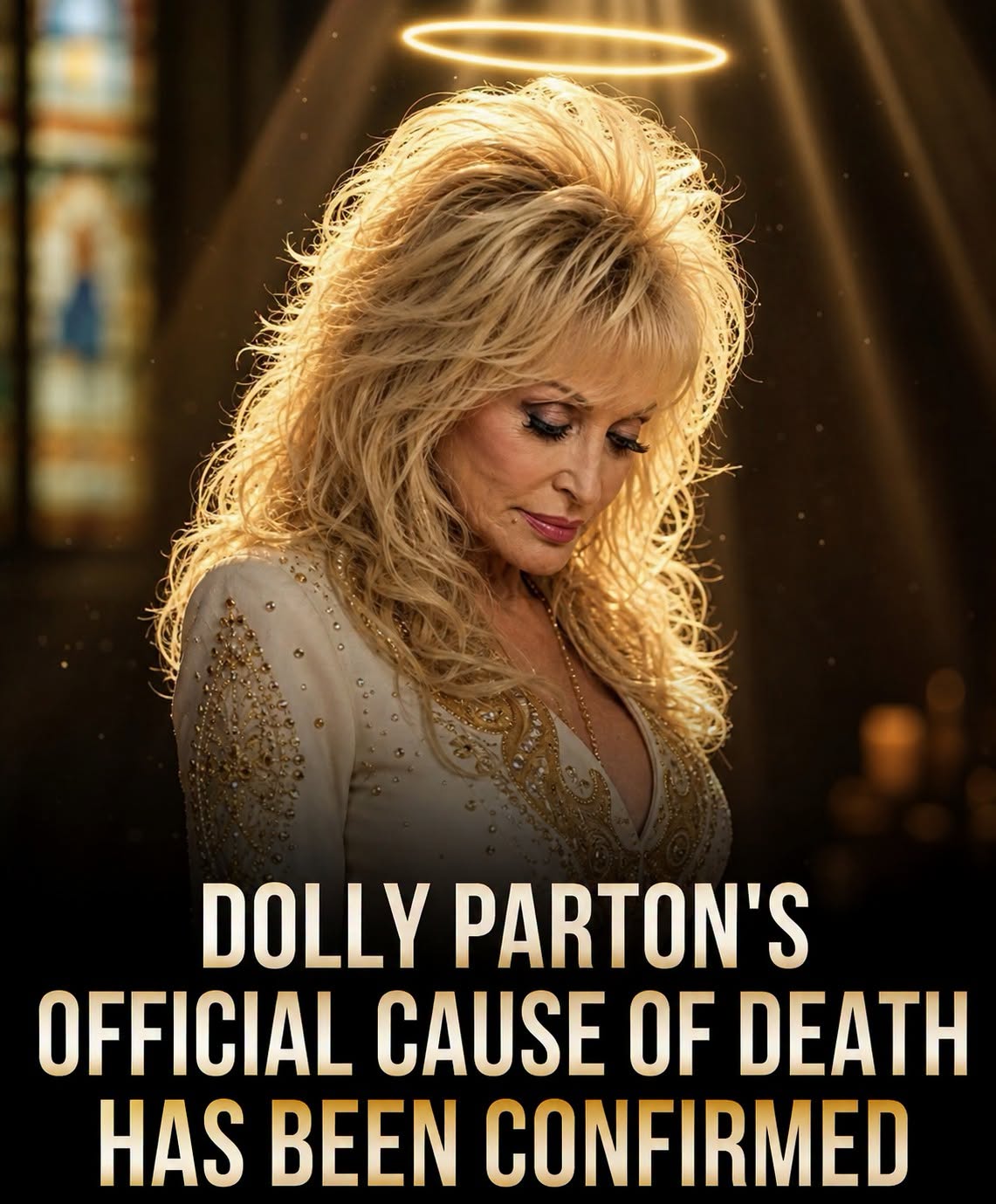
New accounts of Dolly Parton’s final days describe a period in which she continued reassuring fans while her health became more fragile. The country icon died on August 25, 2026, at eighty. Her family and representatives shared limited information, and a complete medical cause was not immediately made public. That privacy should shape how confidently anyone describes what happened behind closed doors.
Publicly, Parton had acknowledged dizziness, dehydration and other health concerns in the months before her death. Some appearances were postponed or handled remotely. Reports said she was hospitalized in Nashville shortly before she died. These facts indicate that she needed care, but they do not authorize a precise diagnosis from observers who did not treat her.
Parton had also been grieving her husband, Carl Dean, whose death ended a marriage of nearly sixty years. Bereavement can affect sleep, appetite, energy and physical health, but it would be speculative to assign it a direct role in her death. Grief and illness may coexist without one providing a simple explanation for the other.
Her communication style remained consistent. She used humor, informal language and reassurance, telling followers she was “healin’” and returning attention to work. Parton had always transformed hardship before sharing it. Songs such as “Coat of Many Colors” turned pain into a story listeners could carry. In public updates, she again softened fear without denying that something was wrong.
The final months were not defined only by canceled events. Projects connected with Dollywood, a Broadway musical, tourism, a future museum and the Imagination Library continued. Parton invested energy in structures meant to outlive her. Fans may now read those plans as a farewell, but they also reflect the long-term thinking she practiced throughout her career.
Celebrity deaths often produce a rush to fill every unknown. Unnamed insiders claim access to hospital rooms, vague symptoms are assembled into diagnoses and ordinary photographs are treated as medical scans. The more beloved the person, the stronger the desire for an explanation. Yet uncertainty is not a problem that reporting can solve by invention.
Health information belongs first to the patient and family. They may disclose a cause, or they may choose not to. A public figure’s enormous cultural role does not eliminate medical privacy. Responsible coverage can state confirmed hospitalizations and public comments while clearly labeling everything else as unverified.
Parton’s life provides a larger measure than the mechanism of her final decline. She wrote songs that crossed genres, built businesses that employed people in East Tennessee and created a literacy program that put books into children’s homes. She used a carefully designed image to draw attention, then repeatedly redirected resources toward others.
Those close to her described a woman who continued working and comforting people. That does not mean she felt no fear or pain. It shows the boundary she chose between the private experience of illness and the public responsibility she felt toward fans and colleagues.
The most accurate account of her final days may remain incomplete. Parton was hospitalized, faced mounting health challenges and died at eighty after a life of unusual creative force. The absence of a detailed diagnosis does not diminish the loss. It simply asks the public to honor the same control over her story that she exercised while alive.
Future biographies may add context through authorized records and family recollections. Until then, restraint is part of accurate remembrance. The confirmed arc—from a one-room Tennessee childhood to songs, businesses and global philanthropy—contains more truth and meaning than any anonymous theory about the final hours.
Her work remains the clearest public record.
It deserves priority.