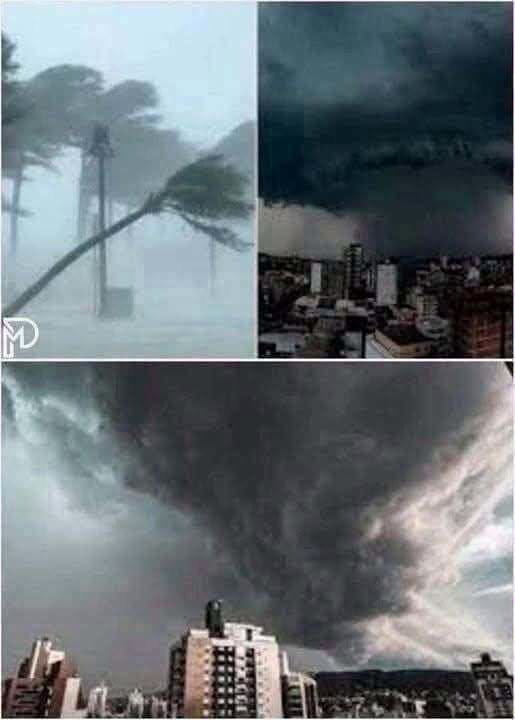
Sirens didn’t just warn; they screamed. In seconds, Region B’s ordinary afternoon became a nightmare nobody had time to name. Power died, streets disappeared, and the sky itself seemed to attack. Inside the shelters, strangers clung to each other, waiting for news, for daylight, for proof that their homes still exis… Continues…
CONTINUE READING→
When the winds finally began to weaken, silence felt almost unreal. People stepped out of shelters to find a landscape they recognized only in fragments: a street sign bent in half, a child’s bicycle twisted in a tree, windows blown out like hollow eyes. Region B was still there, but changed, as if the storm had reached inside the map and rearranged what mattered.
Yet amid the wreckage, something stubborn survived. Neighbors who had once passed each other without a word now moved in small, determined groups, clearing branches, sharing generators, knocking on doors that no longer quite closed. Phone batteries were rationed for calls to missing relatives and emergency lines. No one knew when full power would return, or how long the rebuilding would take. But they knew this: the storm had tested them, and they had chosen, together, not to break.